The Psychology of Color Choice in Automotive Design and Resale
In the world of automotive design, choosing the right color for a vehicle is a crucial decision. Car manufacturers and designers put a lot of thought and research into selecting the color options for their models. It may seem like a simple aesthetic choice, but the psychology behind color choice in automotive design goes much deeper. In fact, it can have a significant impact on the resale value of a car. In this article, we will explore the psychology behind color choice in automotive design and how it affects resale value.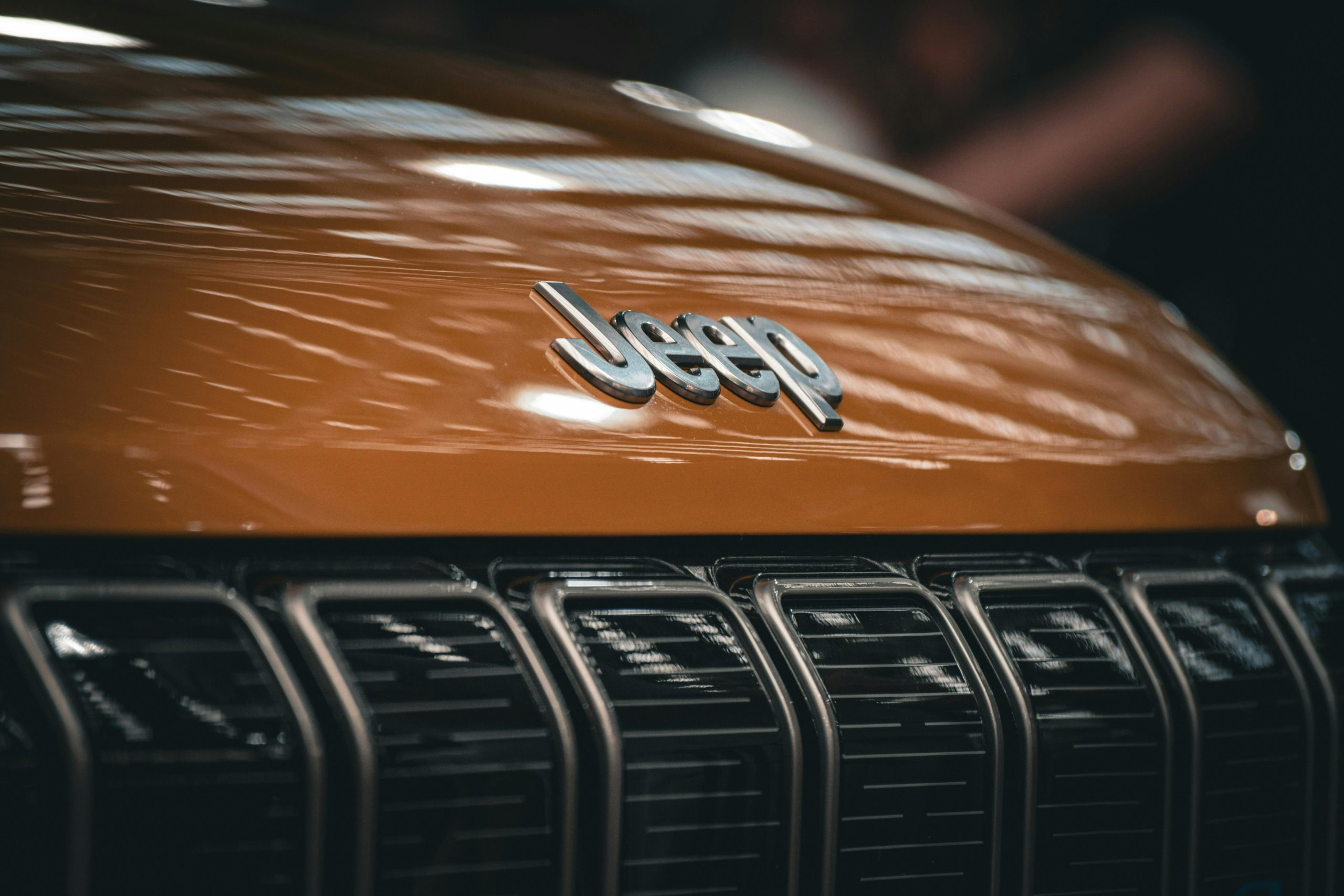
The Power of Color
Before we dive into the psychology of color choice in automotive design, it’s important to understand the power that color holds. Colors have the ability to evoke emotions, influence decision making, and even affect our mood and behavior. In the world of marketing and branding, colors are carefully selected to create a certain image and appeal to a specific audience. The automotive industry is no exception to this; every color choice is deliberate and strategic.
The Impact on Branding
The color of a car can play a significant role in how a brand is perceived. For example, luxury car brands often use black, white, and silver as their main color options to convey a sense of elegance, sophistication, and exclusivity. On the other hand, fun and adventurous car brands may use vibrant and bold colors like red, blue, and yellow to appeal to a more daring and adventurous audience.
Additionally, car brands often use color to create a cohesive and recognizable brand image. For instance, Ferrari is known for its signature red color, while Lamborghini is associated with their iconic bright yellow hue. These consistent color choices help to establish brand recognition and build brand loyalty among consumers.
The Psychology of Color Choice in Automotive Design
Now, let’s take a closer look at the psychology behind some of the most common colors used in automotive design:
Black
Black is often associated with sophistication, luxury, and power. It is a classic and timeless color that exudes confidence and authority. Black cars are also perceived as sleek and stylish, making them a popular choice among luxury car buyers. However, black can also have a negative connotation, often symbolizing seriousness and formality, which may not appeal to all car buyers.
White
White is typically associated with purity, simplicity, and cleanliness. It is a popular choice for many car buyers as it gives off a fresh and modern vibe. In the automotive industry, white is often used for sports cars to convey a sense of speed and performance. However, white cars can be difficult to maintain, as they tend to show dirt and scratches more easily than other colors.
Silver
Silver is a neutral color that is often associated with sophistication, modernity, and technology. It is a popular choice among luxury car buyers, giving off a sense of elegance and refinement. Silver cars are also said to hold their value well, making them a desirable option when it comes to resale value.
Red
Red is associated with energy, passion, and excitement. It is a bold and attention-grabbing color that is often used in sports cars or performance vehicles. Red is also known to increase heart rate and blood pressure, making it an ideal color for fast and powerful cars. However, red can be a polarizing color, and it may not appeal to all car buyers.
Blue
Blue is often associated with trust, dependability, and stability. It is a calming and peaceful color that is popular among buyers looking for a reliable and practical car. Blue is also a popular choice for electric or hybrid vehicles, as it is associated with eco-friendliness and sustainability.
Yellow
Yellow is a bright and cheerful color that is often associated with optimism, happiness, and energy. It is commonly used in sports cars or high-performance vehicles to convey a sense of fun and excitement. However, yellow can also be a challenging color to maintain, as it tends to show dirt and scratches more easily.
The Impact on Resale Value
The color of a car can significantly affect its resale value. According to a study by iSeeCars, cars in popular colors such as white, black, and silver had a higher resale value compared to less common colors like orange, purple, and green. The popularity of these colors is driven by their broad appeal and versatility, making them a safer investment for potential buyers.
Furthermore, car colors that are associated with specific emotions, such as red and yellow, can also impact the resale value. These colors may appeal to a niche market, reducing the pool of potential buyers and potentially decreasing the overall resale value.
Conclusion
The psychology of color choice in automotive design plays a significant role in the success of a brand and the resale value of a car. Every color has a unique impact on our emotions and perceptions, making it a critical component of the car-buying process. So, the next time you’re in the market for a car, take a moment to consider the psychology behind the color choices and how it may influence your decision-making.