Tips for Overcoming Jet Lag and Adjusting to New Time Zones
Jet lag, also known as desynchronosis, is a temporary sleep disorder that occurs when your body’s internal clock is out of sync with the time zone you’re in. It can leave you feeling exhausted, moody, and disoriented, making it difficult to adjust to your new surroundings. Whether you’re traveling for business or pleasure, jet lag is an unwelcome side effect that can put a damper on your trip. However, with a few simple tips, you can overcome jet lag and adjust to new time zones with ease. Here are some helpful strategies to help you minimize the effects of jet lag and make the most out of your travels.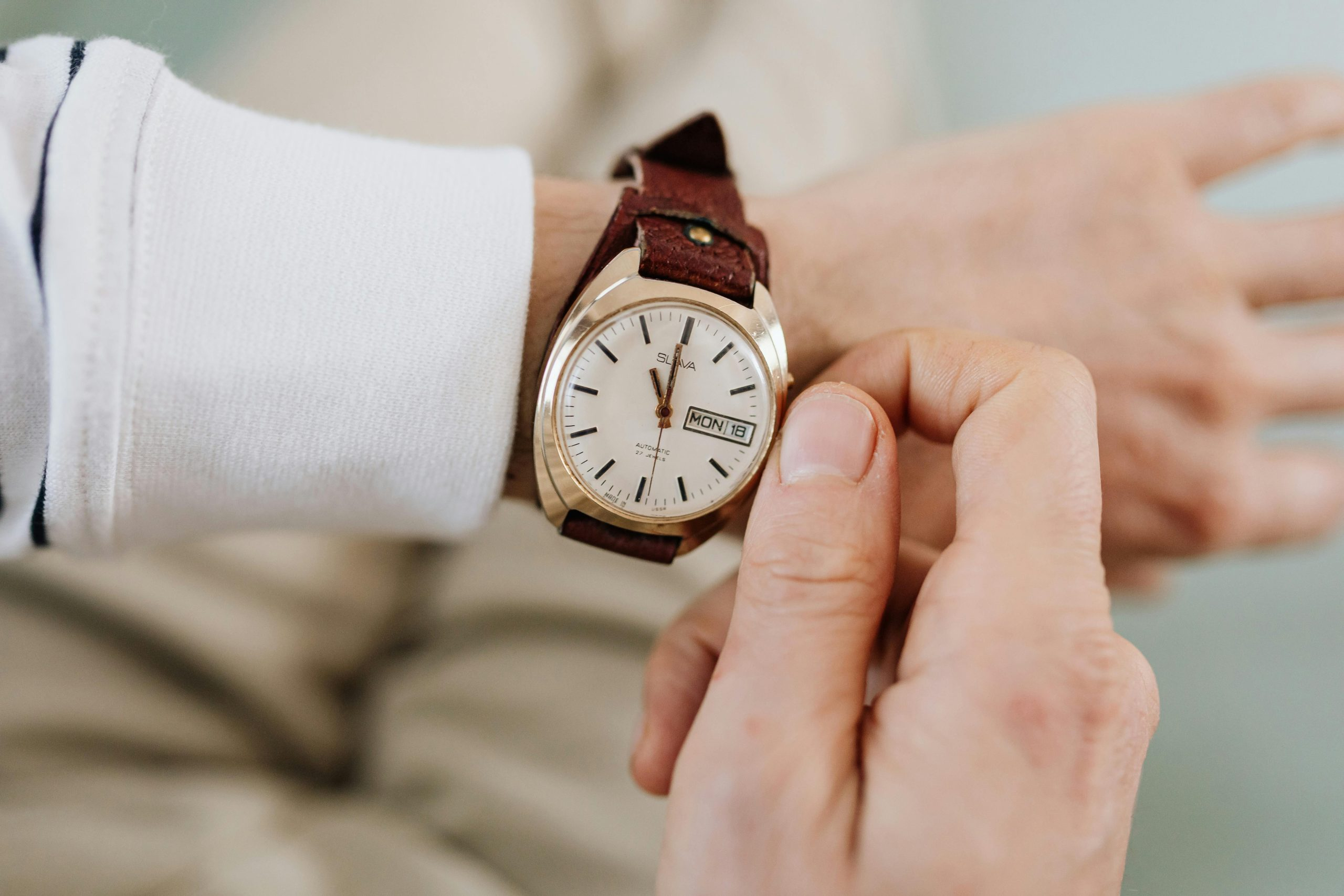
The Causes of Jet Lag
When you travel across multiple time zones, your body has a hard time adjusting to the new time schedule. This is because your body’s internal clock, also known as the circadian rhythm, is disrupted. Our bodies are programmed to follow a 24-hour cycle based on the amount of light and dark we are exposed to. When we travel to a different time zone, this cycle is thrown off, and our bodies need some time to adjust to the new time schedule.
Symptoms of Jet Lag
Jet lag can manifest itself in different ways, including insomnia, fatigue, irritability, headaches, gastrointestinal problems, and difficulty concentrating. These symptoms can vary in intensity depending on the number of time zones you’ve crossed and the direction of your travel. For example, traveling east is more challenging for our bodies to adjust to compared to traveling west.
Prevention is Key
The best way to overcome jet lag is by preventing it from happening in the first place. One of the most effective ways to do this is by gradually adjusting your body’s internal clock to your destination’s time zone a few days before your trip. You can do this by shifting your sleep schedule a few hours earlier or later, depending on your travel direction. Also, try to get a good night’s sleep before your flight to ensure that your body is well-rested before your trip.
Stay Hydrated
Flying can be dehydrating, making you feel even more exhausted and irritable when you land. Make sure to drink plenty of water before, during, and after your flight to keep your body hydrated. It’s also a good idea to avoid alcohol and caffeine, which can exacerbate the effects of jet lag.
Be Mindful of Your Dietary Habits
The food you eat can play a significant role in how well your body adjusts to a new time zone. It’s essential to choose nutritious, light meals to help keep your energy levels stable. Avoid heavy, greasy foods that can make you feel sluggish and bloated. Also, try to eat meals at the same time your body is used to, according to the time zone of your destination.
Stay Active
Sitting for an extended period on a plane can make you feel lethargic and contribute to jet lag symptoms. Once you’ve reached your destination, try to stay active by taking a walk or going for a run. This can help you adjust to the new time zone and counteract the effects of jet lag.
Adapt Your Sleeping Habits
When you arrive at your destination, try to adapt to the new time zone as soon as possible. Avoid napping during the day, as this can make it more challenging to sleep at night. Instead, try to stay awake until your regular bedtime. Also, make sure your sleeping environment is as comfortable as possible by adjusting the room temperature and using earplugs or an eye mask if needed.
Use Natural Sleep Aids
If you’re having trouble sleeping in your new time zone, you can try using natural sleep aids, such as melatonin supplements, herbal teas, or essential oils. These can help you relax and promote better sleep quality, making it easier for your body to adjust to the new time schedule.
Conclusion
Jet lag is an unavoidable part of long-distance travel, but it doesn’t have to ruin your trip. With these tips, you can minimize the effects of jet lag and adjust to new time zones with ease, allowing you to make the most out of your travels. Remember to stay hydrated, get plenty of rest, and adapt your sleeping habits to the new time zone. Safe travels!