The Importance of Product Longevity for Sustainable Consumption
In recent years, there has been a growing awareness of our impact on the environment and the need for more sustainable consumption habits. Governments, businesses, and individuals alike are now taking action to reduce our carbon footprint and preserve the planet for future generations. While recycling and using renewable energy sources are commonly discussed solutions, there is another important factor that often goes overlooked – the longevity of the products we consume. In this article, we will explore the importance of product longevity for sustainable consumption and how it can make a significant difference in our environmental impact.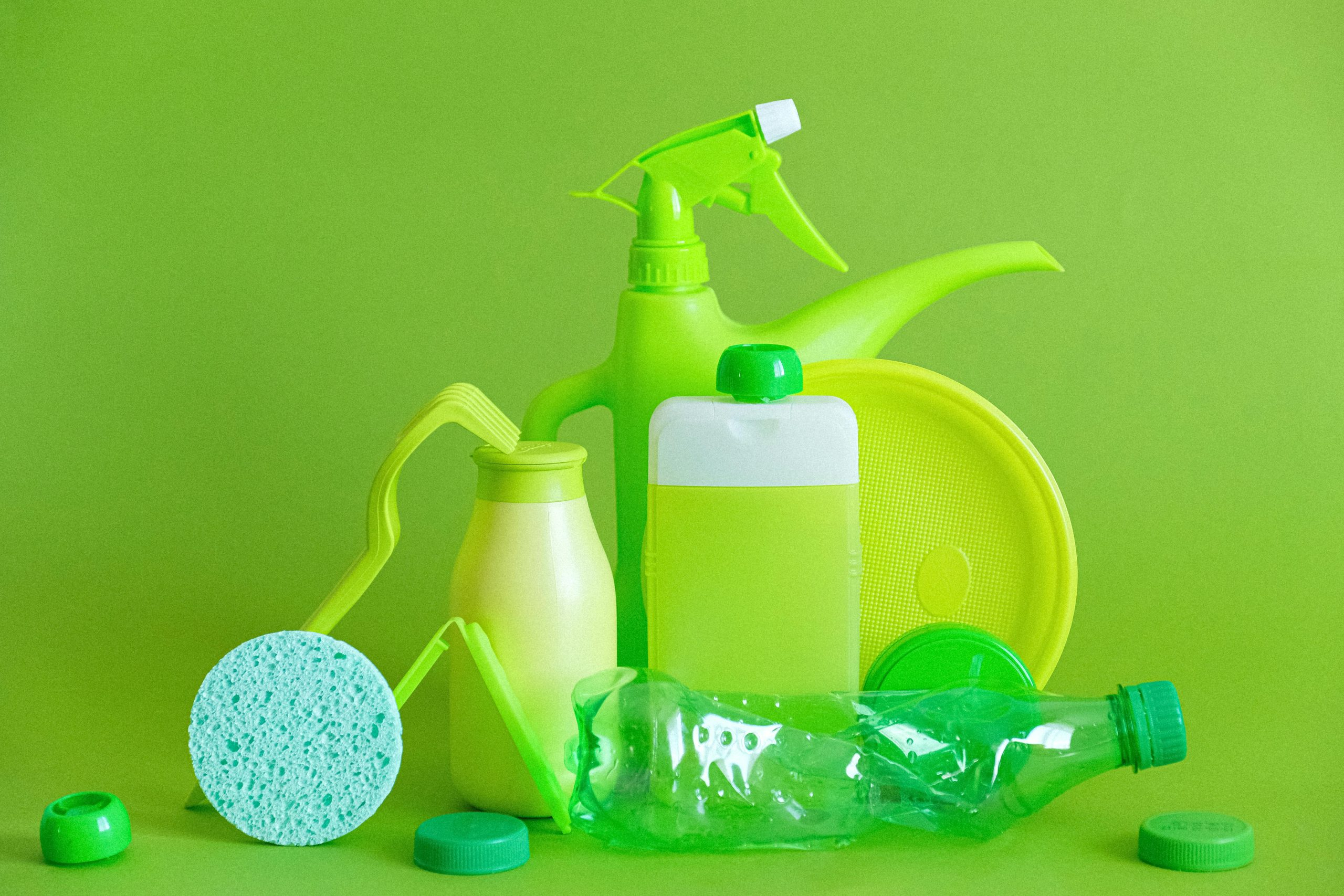
The Problem of Disposable Culture
Our modern society has become obsessed with convenience and disposability. From single-use plastics to fast fashion, we have been conditioned to believe that everything should be cheap and easily replaceable. However, this disposable culture comes at a high cost – both for the environment and for our wallets. Many products, especially those in the fashion and technology industries, are designed with planned obsolescence in mind, meaning they are intentionally made to have a short lifespan. This results in a constant cycle of consumption, leading to excessive waste and pollution.
The True Cost of Short-Lived Products
While it may seem like buying cheap and easily replaceable products is the most cost-effective option, it is actually quite the opposite. Let’s take the example of fast fashion – the industry that produces and sells clothing at a rapid pace, encouraging consumers to buy new items every season. Not only does this create a significant amount of textile waste, but it also has a high environmental cost. The production of clothing involves the use of pesticides, water, and energy, all of which contribute to the emission of greenhouse gases and pollution. On top of that, the low-quality materials and lack of durability mean that these items will need to be replaced more frequently, leading to even more waste and pollution.
Benefits of Product Longevity
Product longevity, on the other hand, refers to the design and production of items that are made to last. This not only reduces our environmental impact but also provides numerous benefits for consumers. Firstly, investing in high-quality, long-lasting products means we won’t need to constantly replace them, saving us money in the long run. Additionally, as these items are designed to withstand wear and tear, they are less likely to end up in landfills, reducing our overall waste.
Reducing Energy and Resource Consumption
By purchasing products that are designed to last, we can also reduce our energy and resource consumption. The production of goods requires a significant amount of energy and raw materials, which have a considerable impact on the environment. By extending the lifespan of products, we can reduce the need for constant production and the energy and resources involved, alleviating our environmental burden.
Promoting Sustainable Practices
By supporting brands that prioritize product longevity and sustainable practices, we can also drive change within the industry. As consumer demand for more durable and eco-friendly products grows, companies will be forced to reevaluate their business strategies and make changes to meet these demands. This can lead to a shift towards a more sustainable and circular economy, where products are designed to last and be reused or repurposed, instead of being disposed of after a short period.
What Can We Do?
As consumers, there are several steps we can take to promote product longevity and sustainable consumption.
Choose Quality Over Quantity
Instead of constantly buying cheap, disposable products, invest in high-quality items that are designed to last. While they may come at a higher upfront cost, they will save you money in the long run and have a lower environmental impact.
Support Sustainable Brands
Do your research and support brands that prioritize product longevity and sustainable practices. This not only benefits the environment but also sends a message to other companies that sustainability is important to consumers.
Repair and Repurpose
Instead of tossing out an item at the first sign of wear and tear, consider repairing or repurposing it. This not only extends the lifespan of the product but also reduces waste.
The Bottom Line
Product longevity is a crucial aspect of sustainable consumption that often gets overlooked. By making small changes in our purchasing habits and supporting sustainable initiatives, we can make a significant impact on the environment and create a more sustainable future for all. Remember, when it comes to the products we consume, quality and longevity should always take precedence over convenience and disposability.