The Best Methods for Storing Fresh Produce Longer
Welcome to the world of fresh produce! Fruits and vegetables are not only delicious but also full of nutrients that our bodies need. However, keeping them fresh for longer can be a challenge. You may have experienced finding wilted lettuce or moldy strawberries in your fridge. Don’t worry, you’re not alone. It’s a common struggle that many of us face. The good news is, there are various methods you can use to store your fresh produce and keep it fresher for longer. In this article, we will discuss the best methods for storing fresh produce and say goodbye to spoiled fruits and veggies!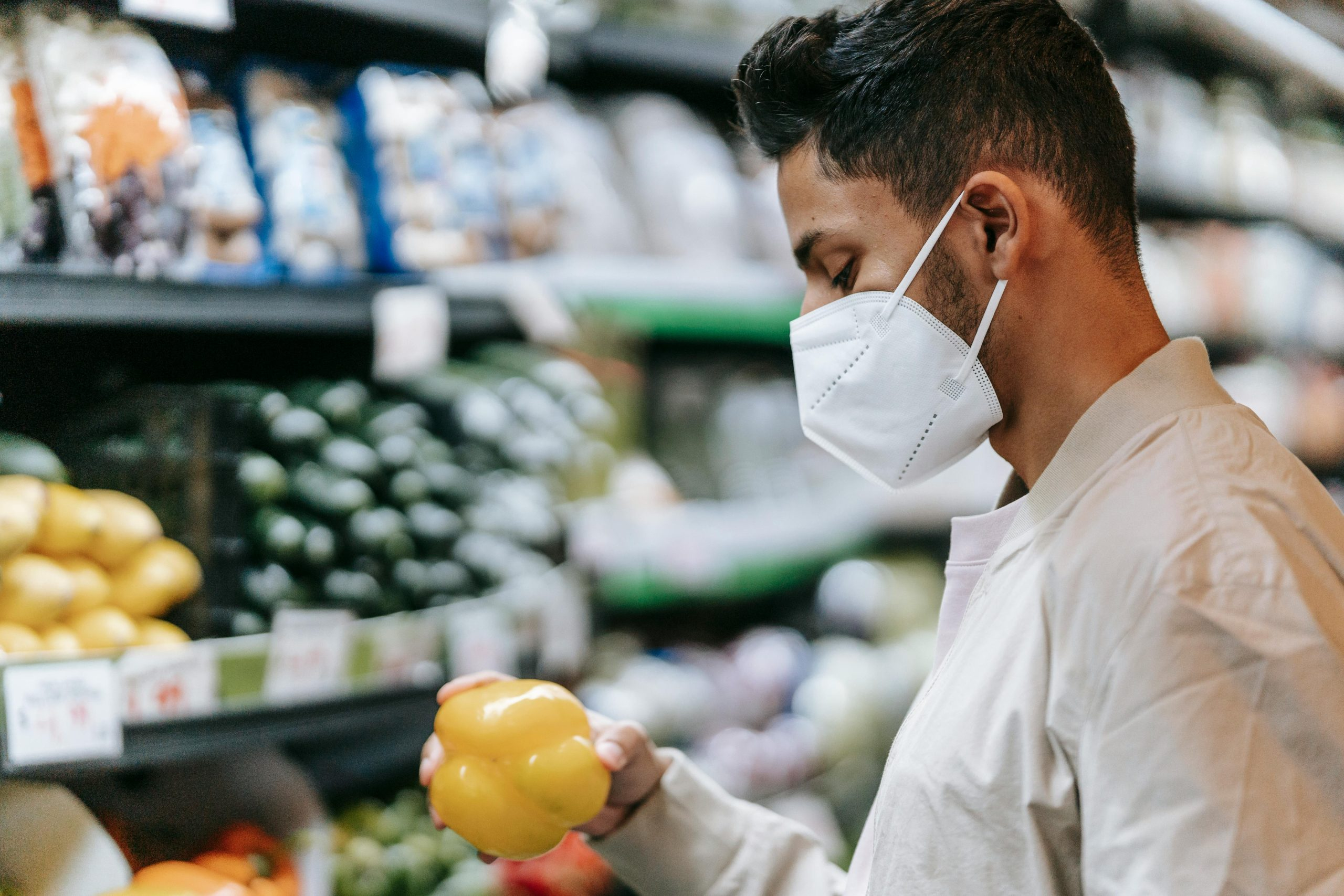
Refrigerate it Right
Properly refrigerating your produce is crucial to keeping it fresh longer. Make sure your fridge temperature is set between 35-38 degrees Fahrenheit. If it’s too cold, your produce can freeze and get damaged. If it’s too warm, it can spoil faster. Also, remember to store your fruits and vegetables separately. Fruits produce ethylene gas which can speed up the ripening process of vegetables and lead to spoilage.
Use the Crisper Drawer
The crisper drawer in your fridge is designed to keep your produce fresh. The humidity in the drawer can be adjusted to suit the type of produce you’re storing. For vegetables that wilt easily such as lettuce and spinach, the humidity level should be high. For fruits, like apples and berries, the humidity level should be lower. Make sure to read the manual of your fridge to know how to adjust the humidity settings of your crisper drawer.
Wrap it up
Some fruits and vegetables, such as berries and cucumbers, release moisture which can cause them to spoil faster. Wrapping them in paper towels or cloth helps absorb that moisture and keep them fresh longer. You can also use airtight containers or reusable beeswax wraps to prolong their freshness.
Store at Room Temperature
Not all produce needs to be stored in the fridge. Some are better kept at room temperature to maintain their flavor and prolong their shelf life. For example, tomatoes, avocados, and potatoes should not be refrigerated. Onions and garlic should be kept in a cool, dry place. Make sure to store them away from direct sunlight or heat sources.
Get Creative with Storage
One of the best ways to store your produce is to get creative with storage. For instance, you can use a mason jar to keep your fresh herbs. Fill the jar with water, like a bouquet, and cover the herbs with a ziplock bag and secure it with a rubber band. This method can keep your herbs fresh for up to two weeks. You can also store your root vegetables such as carrots and beets in sand. The sand will help regulate the temperature and keep the vegetables fresh for months.
Don’t Wash Until You’re Ready to Eat
Washing your produce before storing may seem like a good idea, but it can actually cause it to spoil faster. The moisture left from washing can promote the growth of bacteria, and the produce can get soggy and spoil quickly. Instead, wash them right before you’re ready to eat them. If your produce is dirty, gently wipe them with a wet cloth or rinse them quickly.
Don’t Cut it Until You’re Ready to Eat
Another tip to keep your produce fresh is to not cut them until you’re ready to consume them. Once you cut fruits and vegetables, they start to lose their nutrients and get exposed to bacteria, resulting in spoilage. It’s better to leave them whole and cut only what you need when you’re ready to use them.
Check and Rotate
It’s important to regularly check your produce for any signs of spoilage and to rotate them. Sometimes fruits and vegetables get hidden at the back of your fridge, and you may not notice them until they have gone bad. By rotating your produce, you’ll make sure to consume the older ones first, and it also helps in air circulation. Additionally, remove any spoiled or moldy produce immediately to prevent it from affecting the others.
Storing fresh produce longer can seem like a daunting task, but with the right methods, it can be easily achieved. Follow these tips, and you’ll see a significant difference in the shelf life of your fruits and vegetables. Keeping your produce fresh not only saves you money but also ensures that you’re getting the most nutrients from them. Say goodbye to wasted fruits and veggies, and hello to healthier and fresher meals!