Designing a Functional and Aesthetically Pleasing Kitchen Island
A kitchen island is a great addition to any kitchen, providing extra counter space, storage, and a place to gather with family and friends. However, designing a kitchen island that is not only functional but also visually appealing can be a challenging task. A well-designed kitchen island can be the centerpiece of your kitchen and enhance both the look and functionality of the space. In this article, we will explore the key elements to consider when designing a kitchen island that is both functional and aesthetically pleasing.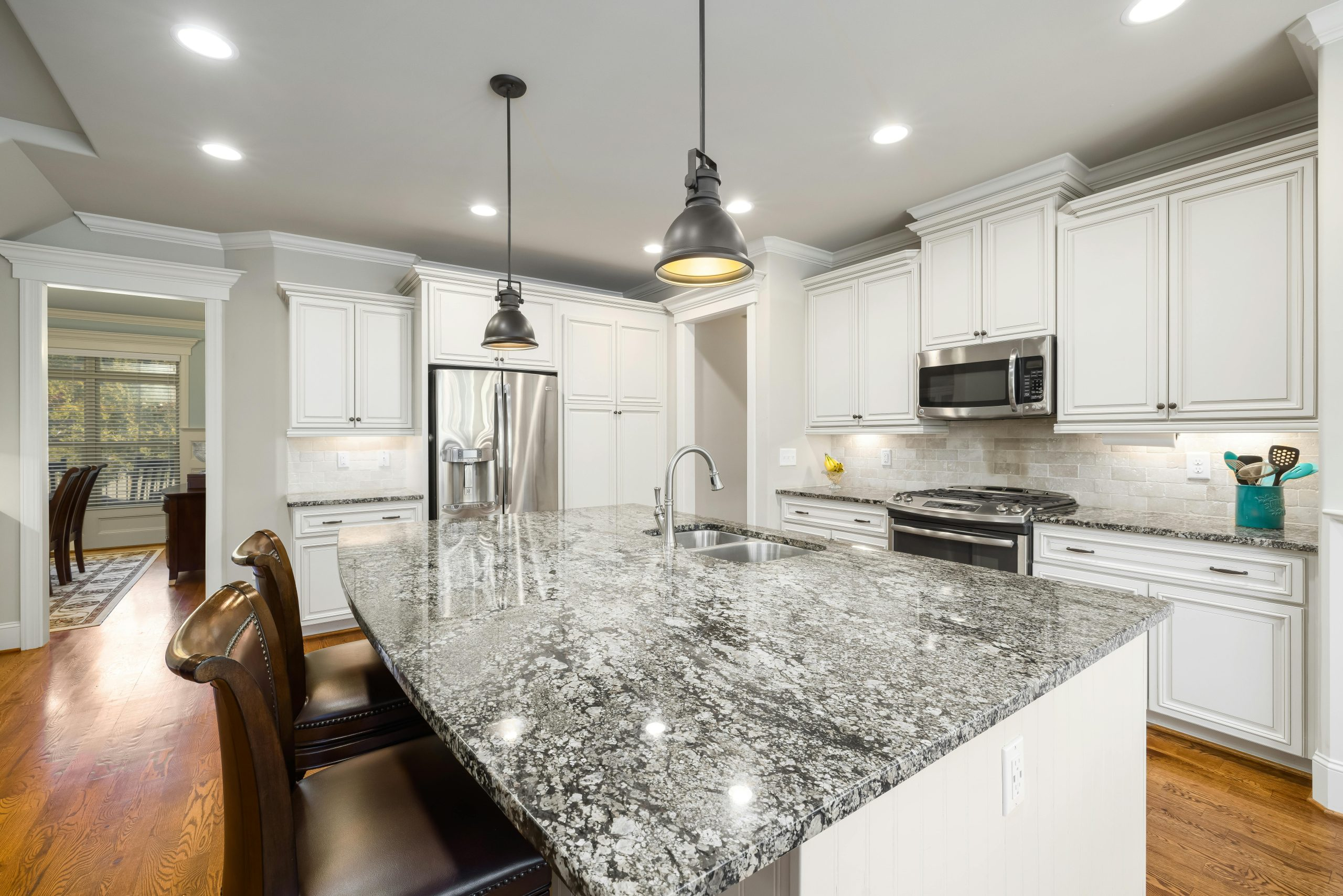
Functionality First
Before diving into the aesthetics, it is essential to prioritize the functionality of your kitchen island. Start by considering the needs of your household and how the island will be used. For example, if you love to cook and host dinner parties, consider incorporating a built-in sink or stovetop into your island. If you have young children, opt for a rounded edge on your island to prevent any accidents.
Maximize Storage Space
In addition to providing extra counter space, a kitchen island should also offer additional storage. Depending on the size of your island, you can incorporate cabinets, drawers, or shelves. Consider organizing your storage based on the items you will store in the island – for example, drawers for cutlery and spices, cabinets for pots and pans, and shelves for cookbooks and decorative items. This will not only make your island more functional but also add to its visual appeal.
Seating Options
If you have enough space, consider incorporating seating into your kitchen island. This will not only provide a place for guests to sit and socialize while you cook but also create a casual dining space for quick meals. The type of seating you choose will depend on the overall style and functionality of your kitchen. For a more formal and elegant look, opt for bar stools, while a casual and cozy kitchen can benefit from built-in bench seating.
Aesthetics Matter
Once you have determined the functionality of your kitchen island, it is time to consider the aesthetics. The key is to ensure that your island complements the overall style and design of your kitchen. Here are a few tips to help you design a visually appealing kitchen island:
Choose the Right Materials
The materials you choose for your kitchen island can make all the difference. While granite and marble are classic choices, consider other options such as quartz, concrete, or wood for a more unique look. You can also add interest and texture by incorporating a different material for the island countertop than the rest of your kitchen.
Use Color and Lighting
Introducing color to your kitchen island is an excellent way to make it stand out. You can achieve this by painting the island in a bold color or by using colorful tiles for the backsplash. Additionally, lighting can play a crucial role in highlighting your island and creating ambience in the space. Consider pendant lights above the island or under-cabinet lighting to add a warm and inviting glow.
Add Decorative Elements
Adding decorative features to your kitchen island can elevate its visual appeal and tie it into the rest of the kitchen. You can do this by incorporating decorative corbels, paneling, or intricate cabinet hardware. However, be careful not to overdo it – choose one or two elements to add interest without overpowering the island.
Conclusion
A kitchen island is a functional and versatile addition to any kitchen, and its design should not be overlooked. By prioritizing functionality and incorporating aesthetics into its design, you can create a kitchen island that not only serves its purpose but also enhances the overall look and feel of your kitchen. Remember to choose elements that complement your personal style and make your kitchen island a true statement piece.