Demystifying Yeast: Understanding Its Role in Baking and Brewing
Yeast is a versatile and fascinating microorganism that plays a crucial role in the production of both bread and beer. It may seem like a simple ingredient, but understanding its role in baking and brewing is essential for achieving the perfect loaf of bread or a delicious pint of beer. The process of fermenting bread and brewing beer is largely dependent on the presence and activity of yeast. This article aims to demystify the nature of yeast, its functions, and how it contributes to the overall quality of baked goods and beverages.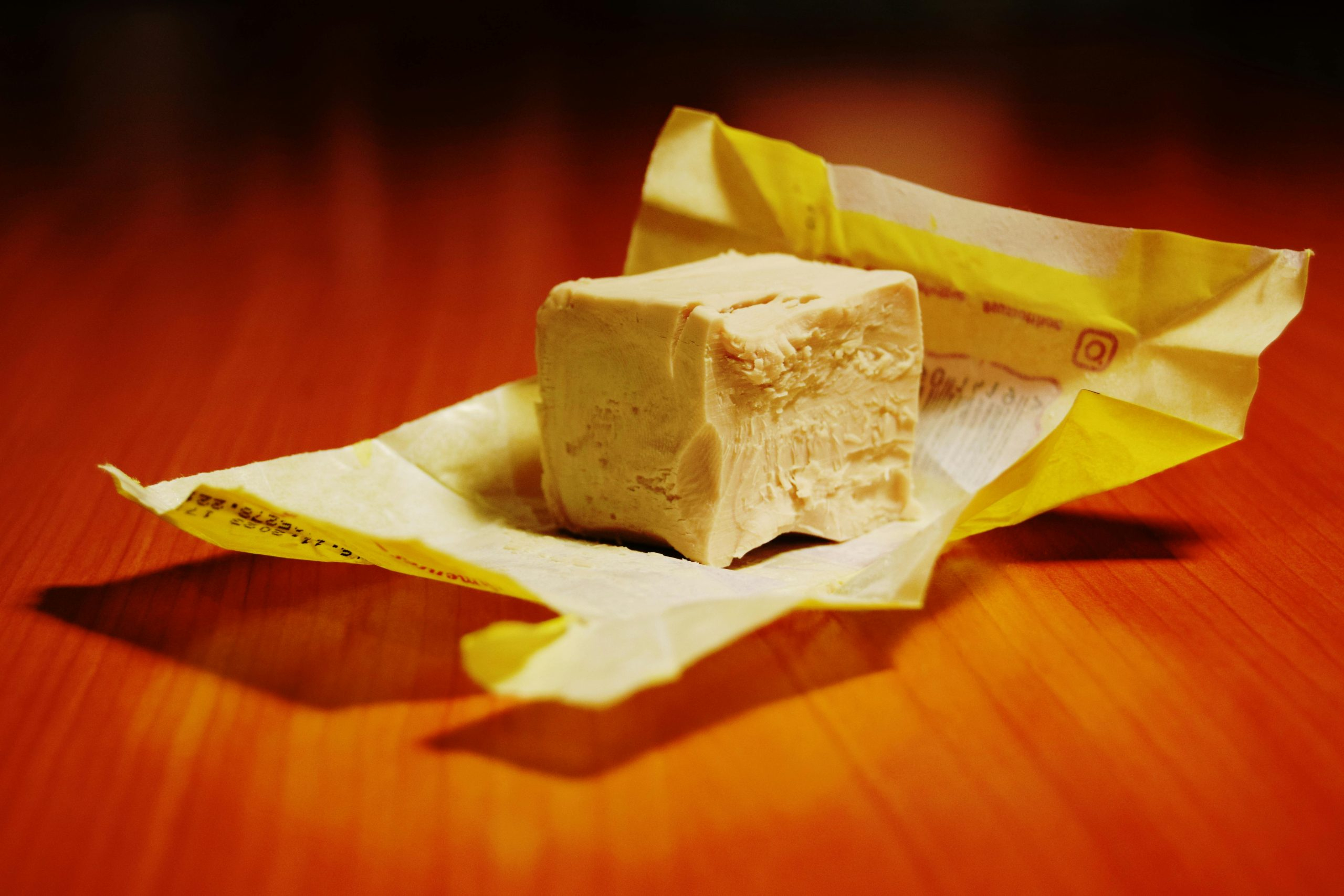
The Basics of Yeast
Yeast is a single-celled fungus that belongs to the kingdom Fungi. It comes in various forms, but the most commonly used type for baking and brewing is Saccharomyces cerevisiae. It is available in both fresh (or live) and dry forms, with the former being the more commonly used type for baking. Yeast is a critical ingredient in both baking and brewing, as it is responsible for the fermentation process, which converts sugars into carbon dioxide and alcohol in beer and carbon dioxide and ethanol in bread.
Apart from its crucial role in fermentation, yeast also contributes to the flavor and aroma of the final product. The by-products of yeast metabolism, such as alcohol, esters, and organic acids, play a significant role in creating the unique flavors and aromas of different bread and beer varieties. This is why yeast is sometimes referred to as the “magic ingredient” in baking and brewing.
The Functions of Yeast in Baking
In baking, yeast is responsible for leavening, which is the process of creating light and airy bread with a soft and fluffy texture. When yeast is mixed with flour, water, and other ingredients, it kicks off the fermentation process. As the yeast consumes the sugars in the dough, carbon dioxide gas is released, causing the dough to rise. The bubbles created by the gas get trapped in the gluten structure of the dough, giving the baked goods their characteristic airy texture.
Yeast also plays a crucial role in developing the flavor and aroma of bread. As the yeast ferments the sugars, it produces different compounds that contribute to the final taste and smell of bread. The amount and type of yeast used, as well as the fermentation temperature, can impact the flavor and aroma profile of the bread.
Different Types of Yeast for Baking
There are different types of yeast used in baking, each with its unique properties and uses. The three main types of yeast used in baking are as follows:
1. Fresh Yeast (aka Compressed Yeast)
Also known as compressed yeast, this type of yeast is the most commonly used type for baking. It comes in the form of small tan or cream-colored blocks and has a moisture content of around 70%. Fresh yeast is highly perishable and should be used within a week if stored in the fridge and within a month if frozen.
2. Active Dry Yeast
Active dry yeast is the most widespread and readily available form of yeast. It is made by combining fresh yeast, a small amount of flour, and a bit of moisture. The mixture is then pressed through a device with fine holes to form tiny pellets that are then dried and packaged. This type of yeast has a longer shelf life and does not require refrigeration, making it more convenient to use.
3. Instant (or Fast-Acting) Yeast
Also known as fast-acting yeast, instant yeast is similar to active dry yeast but is made with smaller particles and has a higher moisture content. This type of yeast is popular among home bakers because it does not require proofing and can be mixed directly into the dry ingredients.
The Functions of Yeast in Brewing
Brewing beer is a complex process that involves the conversion of sugars from malted grains into alcohol and carbon dioxide. Yeast is the key player in this process, and without it, there would be no beer. Different strains of yeast are used in brewing, and each one has a unique set of characteristics that influence the flavor, aroma, and alcohol content of the final product.
The two main types of yeast used in brewing are ale yeast and lager yeast. Ale yeast ferments at higher temperatures and produces beer with a more robust, fruity, and spicy flavor, while lager yeast ferments at lower temperatures and produces a crisp, clean-tasting beer.
The Fermentation Process in Brewing
In the brewing process, yeast is added to the wort (a mixture of water and malt extract) and allowed to ferment for a specific period. During this time, the yeast consumes the sugars in the wort and produces alcohol and carbon dioxide. The carbon dioxide bubbles create the fizziness in beer, while the alcohol adds to its flavor and intoxicating effects.
Controlling Yeast in Brewing
The type of yeast used, along with the fermentation conditions, has a significant impact on the flavor and quality of beer. To ensure consistency and quality, brewers carefully control the fermentation process by monitoring the temperature, gravity, and pH levels. This helps to achieve the desired flavor, aroma, and alcohol content in the final product.
Conclusion
Yeast may seem like a mysterious and uncomplicated ingredient, but its role in baking and brewing is far from insignificant. It not only leavens bread and creates fizzy beer but also plays a crucial role in developing the flavor and aroma of these tasty treats. The next time you enjoy a loaf of freshly baked bread or a cold pint of beer, remember the tiny, yet mighty, microorganism that made it all possible – yeast.