How to foster a love of history in young learners
History has always been a vital part of human existence. It tells the story of our past, shapes our present, and guides our future. It is a broad subject that encompasses various aspects of society, culture, and human behavior. As adults, we may have developed a fascination for history, but how do we instill the same love for this subject in young learners? In this article, we will explore some effective ways to foster a love of history in young learners and ignite their passion for learning about the past.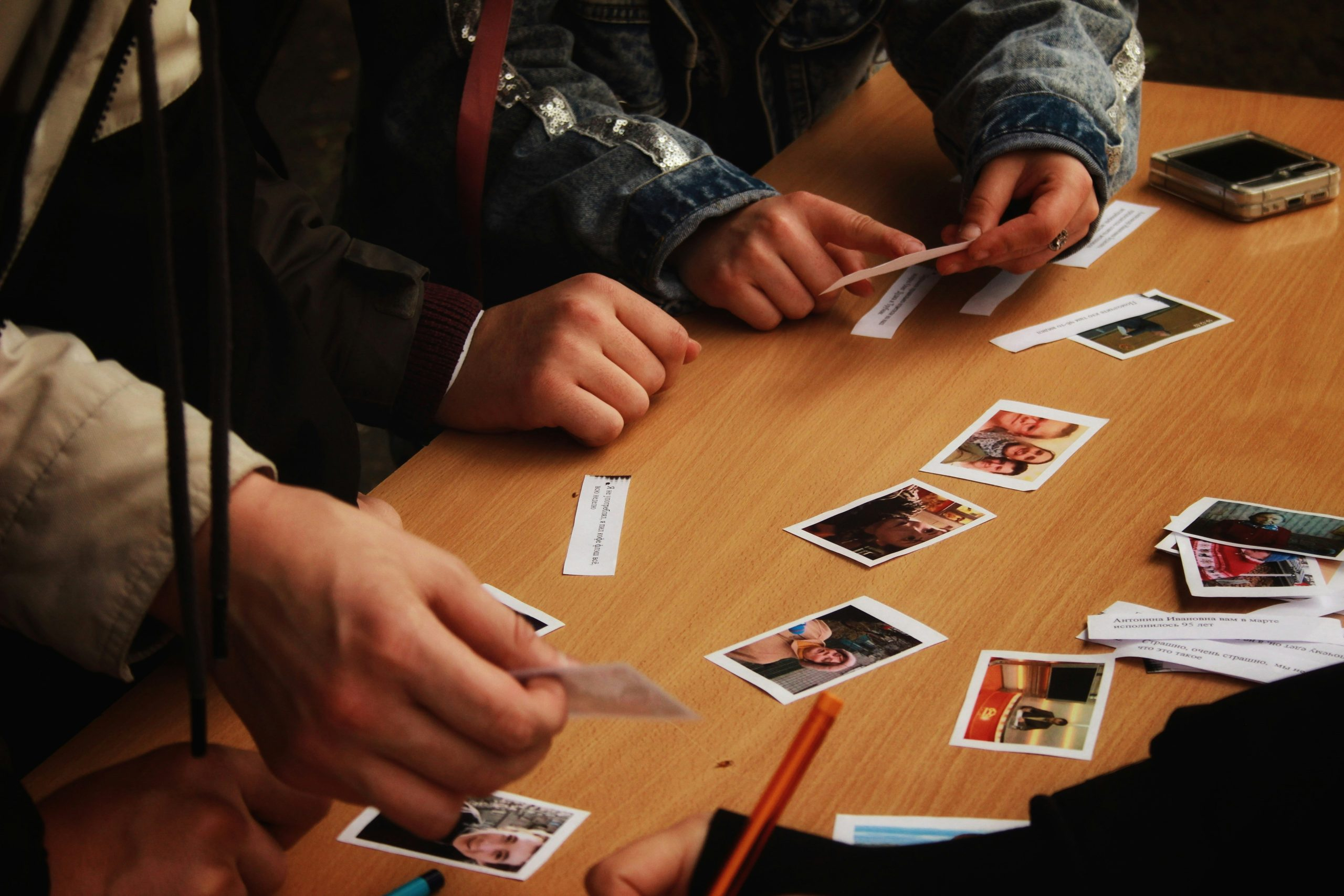
The Importance of Fostering a Love of History
Before we dive into the ways to foster a love for history in young learners, let us first understand why it is crucial. History teaches us about the triumphs and struggles of our ancestors and gives us a sense of identity and belonging. It helps us learn from past mistakes and make informed decisions in the present. By developing an interest in history, young learners can also enhance their critical thinking and analytical skills, improve their writing and communication abilities, and cultivate empathy and compassion for diverse cultures and perspectives.
1. Make It Relevant
One of the main reasons why children may not be interested in history is because they fail to see its relevance in their everyday lives. As educators or parents, we need to bridge this gap by relating historical concepts to current events, pop culture, or even personal experiences. For instance, when teaching about the American Revolution, use examples of protests or revolutions taking place in the world today. This will help young learners understand the significance and impact of historical events on the world they live in.
2. Use a Multidisciplinary Approach
History does not exist in isolation; it is intertwined with other subjects such as literature, art, and science. Utilizing a multidisciplinary approach to teaching history can make it more exciting and engaging for young learners. For instance, instead of solely relying on textbooks, incorporate literature such as historical fiction or biographies. Take students on field trips to historical sites, museums, or galleries to expose them to different forms of art and architecture. This will not only make the learning experience more enjoyable but also enable students to make connections between different subjects and see how they all contribute to understanding history.
3. Use Technology
In this digital age, children are exposed to technology from a young age. Harnessing the power of technology can make history come alive for young learners. There are countless online resources such as interactive maps, virtual tours, and educational games that can supplement traditional teaching methods and make history lessons more engaging. Additionally, incorporating technology can also appeal to different learning styles and accommodate diverse student needs, making the learning experience more inclusive and effective.
4. Encourage Discussion and Debate
History is not just about memorizing dates and events; it is also about understanding different perspectives and interpreting evidence. Encouraging healthy discussions and debates in the classroom can foster critical thinking and encourage students to question and analyze historical events. Moreover, by giving students a platform to voice their opinions and engage in respectful debates, we can also nurture their communication and social skills.
5. Foster Curiosity and Inquiry
Children are inherently curious beings, and it is essential to nurture this curiosity when teaching history. Instead of solely focusing on learning outcomes, educators should encourage young learners to ask questions, explore, and think critically. Incorporate hands-on activities such as creating timelines, making historical artifacts, or acting out scenes from the past to pique students’ curiosity and make history more interactive. This will enable them to take ownership of their learning and develop a genuine interest in the subject.
In Conclusion
Fostering a love for history in young learners may seem like a daunting task, but by using a multidisciplinary approach, technology, and encouraging critical thinking, it can become an enjoyable and meaningful subject for them. As educators and parents, it is our responsibility to instill a love for learning about the past and nurture future generations’ fascination with history.
So, let us ignite the spark of curiosity in young minds, and watch them develop a lifelong love for understanding our past, shaping our present, and guiding our future.