How education can help build a more peaceful world
In a world where conflict, violence, and turmoil seem to be prevalent, the idea of a truly peaceful world may seem like a far-fetched dream. However, there is a powerful tool that has the potential to bring about positive change and foster a more harmonious and cooperative global community – education. Education is more than just acquiring knowledge and skills; it is a means to build a better world, and one of the most effective ways to achieve lasting peace.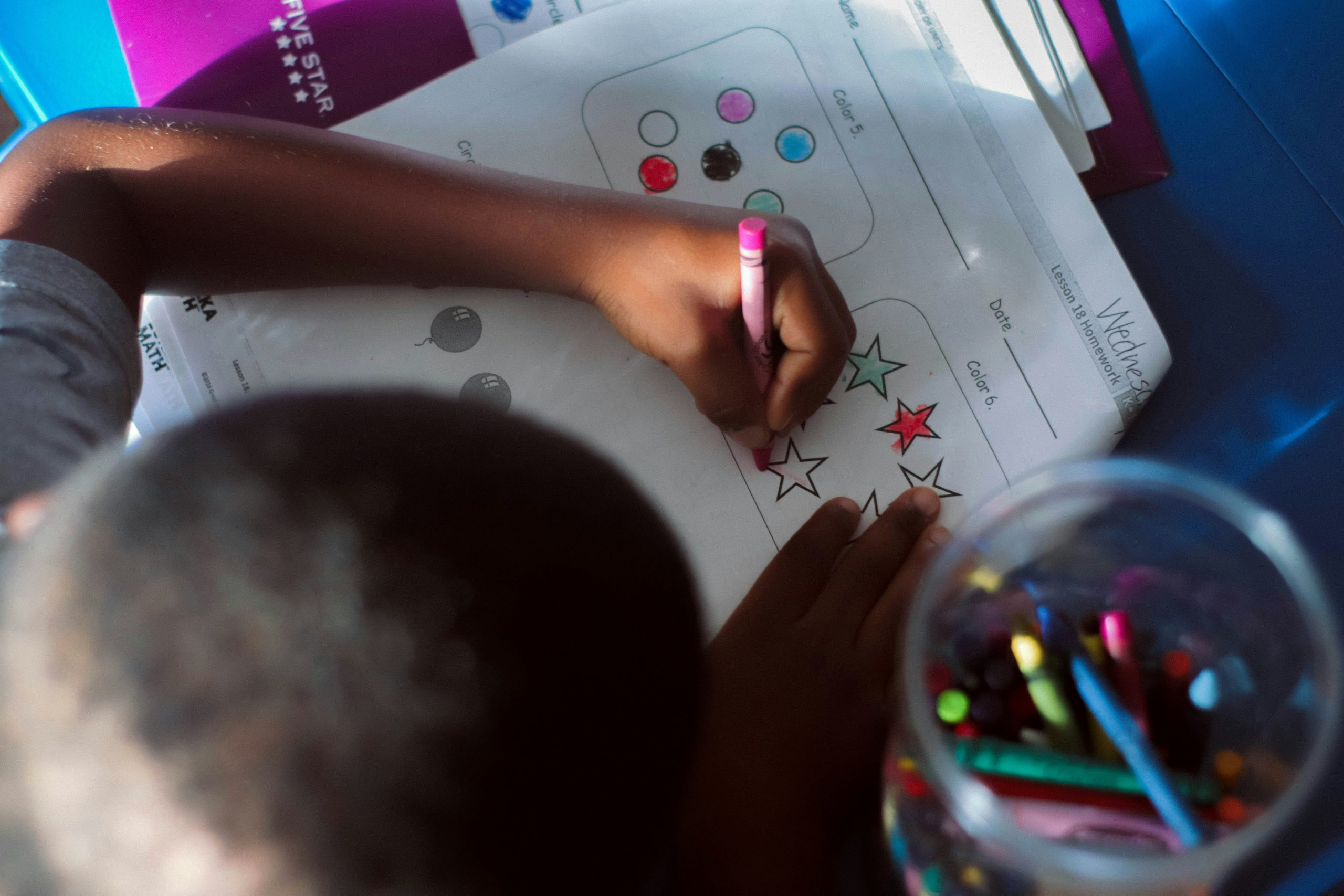
The Power of Education
Education can be defined as the process of acquiring knowledge, skills, values, and attitudes through formal or informal learning. It is not limited to the classroom; education is a continuous lifelong process that takes place in various settings and forms. The power of education lies in its ability to shape individuals and societies, and its potential to bring about peaceful change.
Education fosters critical thinking and problem-solving skills, which are essential for resolving conflicts and promoting understanding and tolerance. It helps individuals develop empathy and perspective-taking, enabling them to see issues from different angles and to appreciate diverse perspectives. Moreover, education instills values such as respect, compassion, and cooperation, which are vital for building a peaceful world.
The Ripple Effect of Education
Education has a ripple effect that goes beyond the individual and impacts entire communities and societies. Studies have shown that individuals with higher levels of education are more likely to be engaged in their communities, participate in democratic processes, and support human rights. Furthermore, educated individuals are more likely to have higher incomes and better job opportunities, leading to economic growth and stability.
Investing in education, particularly for marginalized and disadvantaged groups, has a significant impact on reducing poverty and inequality. With access to quality education, individuals can break the cycle of poverty, improve their standard of living, and create a better future for themselves and their families. Education also plays a vital role in promoting gender equality and empowering women, which is essential for building a peaceful and just society.
The Role of Education in Conflict Prevention and Resolution
Education is also a powerful tool for conflict prevention and resolution. In countries where access to education is limited, conflict and violence tend to be more prevalent. Lack of education can also make individuals more susceptible to extremist ideologies and propaganda. On the other hand, education can promote understanding, respect, and tolerance, thereby reducing the likelihood of conflicts arising from misunderstandings and prejudice.
In post-conflict societies, education plays a crucial role in promoting reconciliation and peacebuilding. By providing opportunities for dialogue and understanding, education can help heal the wounds of conflict and foster relationships based on mutual respect and cooperation. Education can also educate individuals on their rights and responsibilities, leading to a more just and stable society.
Challenges in Promoting Education for Peace
Despite the many benefits of education for peacebuilding, there are still significant challenges to overcome. Millions of children around the world are still denied the right to education due to poverty, gender discrimination, and conflicts. In some cases, education systems may also reinforce negative stereotypes and divisions, contributing to conflict rather than peace. Moreover, investing in education requires significant resources and political will, making it a long-term and challenging process.
The Way Forward
Education is not a panacea for all the world’s problems, but it is an essential step towards a more peaceful world. Governments, international organizations, and civil society should prioritize education as a means to build a more harmonious and cooperative global community. This includes removing barriers to education, ensuring quality and inclusive education for all, and promoting education for peace through formal and non-formal means. Only by investing in education can we hope to achieve a future where peace is the norm rather than the exception.
In conclusion, education is not just about gaining knowledge; it is a powerful tool to bring about positive change and promote peace. By promoting understanding, respect, and empathy, education has the potential to transform individuals, communities, and societies. As Nelson Mandela once said, “Education is the most powerful weapon which you can use to change the world.” Let us harness this power to create a more peaceful world for all.