The Cultural Significance of Street Food Worldwide

Street food has long been a staple in cultures all over the world, offering a quick and affordable option for hungry individuals on-the-go. Whether it’s a piping hot shawarma in the bustling streets of Middle East or a delicious taco from a food truck in Los Angeles, street food has become a preferred choice of many due to its convenience and mouth-watering flavors. But there’s more to street food than just satisfying one’s hunger. In fact, street food has a significant cultural significance that reflects the history, traditions, and lifestyle of a particular country or region. In this article, we will explore the cultural significance of street food worldwide and why it has become an integral part of our food culture.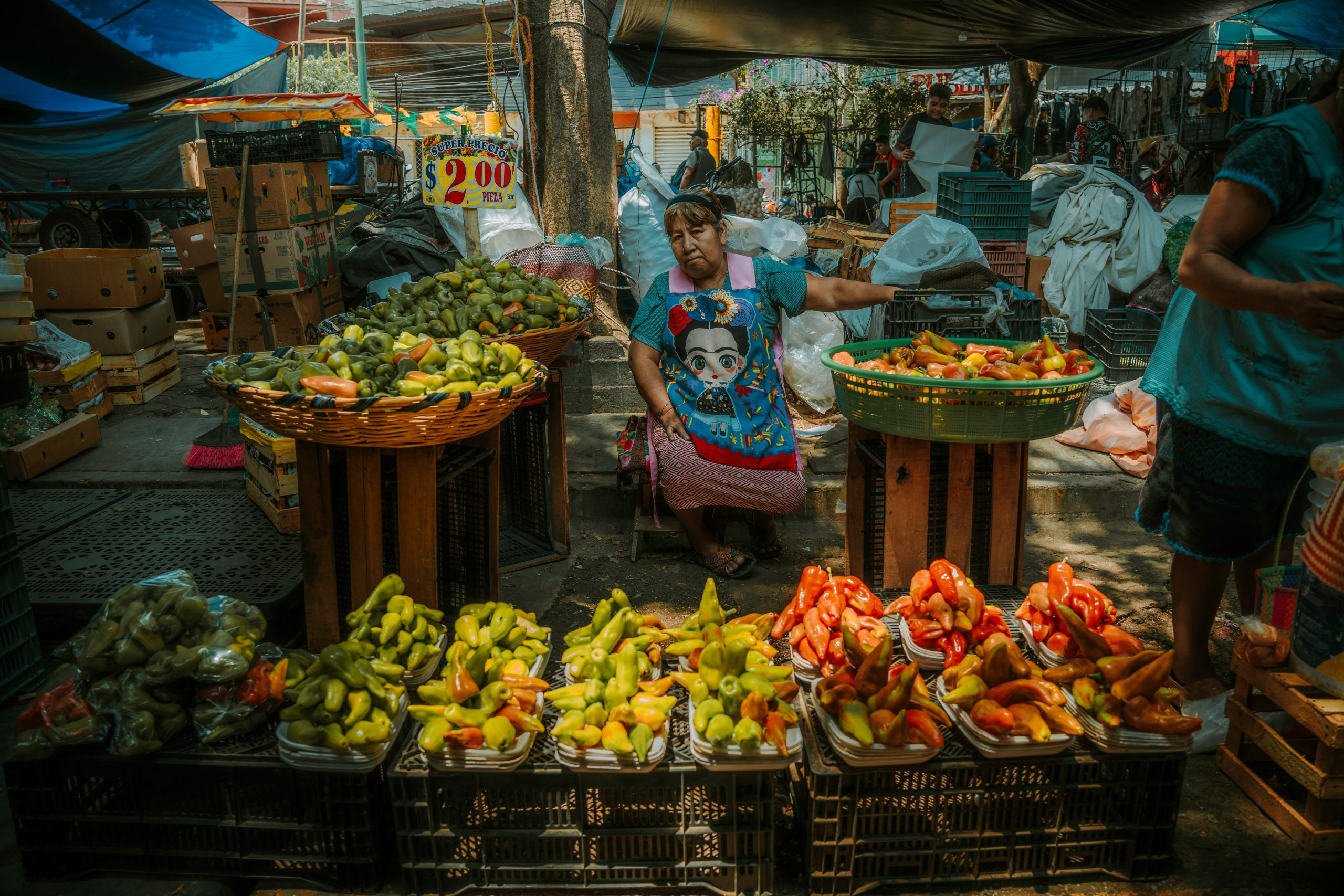
The Evolution of Street Food
To understand the cultural significance of street food, we must first take a trip back in time to see how it has evolved over the years. Street food has been around for centuries, with records dating back to ancient civilizations such as the Roman Empire, where they sold out-of-season fruits and vegetables to travelers and soldiers. In Asia, street food has been a part of daily life since the 13th century, with portable food vendors selling noodles and dumplings to workers and farmers.
As urbanization and industrialization took over the world, street food became a popular option among the working class. It provided a quick and affordable meal for busy workers who didn’t have the luxury of time to sit down and have a proper meal. This shift from agricultural-based to industrialized societies has also brought about changes in the types of street food available. From simple dishes to more complicated and flavorful ones, street food has evolved to cater to different tastes and preferences.
A Reflection of Culture and Identity
Street food is more than just a quick meal option; it is a reflection of a country’s culture and identity. Many street food dishes are rooted in tradition and have been passed down through generations. They often use local and traditional ingredients and cooking methods, making them a representation of a country’s history and customs. For instance, the beloved dish of pho in Vietnam or the spicy samosas in India not only satisfy our taste buds but also tell the story of the people and their culture.
Moreover, street food has also become a part of cultural celebrations and events. In some countries, street food vendors gather during festivals to offer special dishes that are only available during that time of the year. It not only adds to the festive atmosphere but also allows individuals to experience the unique flavors and taste of a particular culture.
An Inclusive Dining Experience
Unlike fancy restaurants and fine dining establishments, street food is accessible to everyone, regardless of their social or economic status. Street food provides an inclusive dining experience as it can be enjoyed by people from all walks of life. You can see businessmen and students lining up next to each other, all enjoying a delicious meal from a food truck or stand. This inclusivity has also helped bring people from different backgrounds together, fostering a sense of community and togetherness.
Preserving Culinary Traditions
With the rise of globalization and the fast-paced lifestyle, traditional culinary practices and recipes can easily get lost in the mix. However, street food has played a vital role in preserving these culinary traditions. Many street food vendors are still using age-old family recipes and cooking techniques, keeping these traditions alive for future generations to enjoy.
Furthermore, with the growing interest in international cuisines, street food has become a way for people to learn about different cultures without having to travel. It allows individuals to experience and appreciate the diversity of flavors and cooking styles from around the world.
Final Thoughts
In conclusion, street food is not just about the food itself; it is a representation of a country’s culture, history, and traditions. It has become an essential element of our food culture, bringing people together, preserving culinary traditions, and offering an inclusive dining experience. So, the next time you grab a quick bite from a street food vendor, remember that you’re not just satisfying your hunger, but also experiencing the cultural significance of street food worldwide.