Exploring the fascinating world of embedded systems development
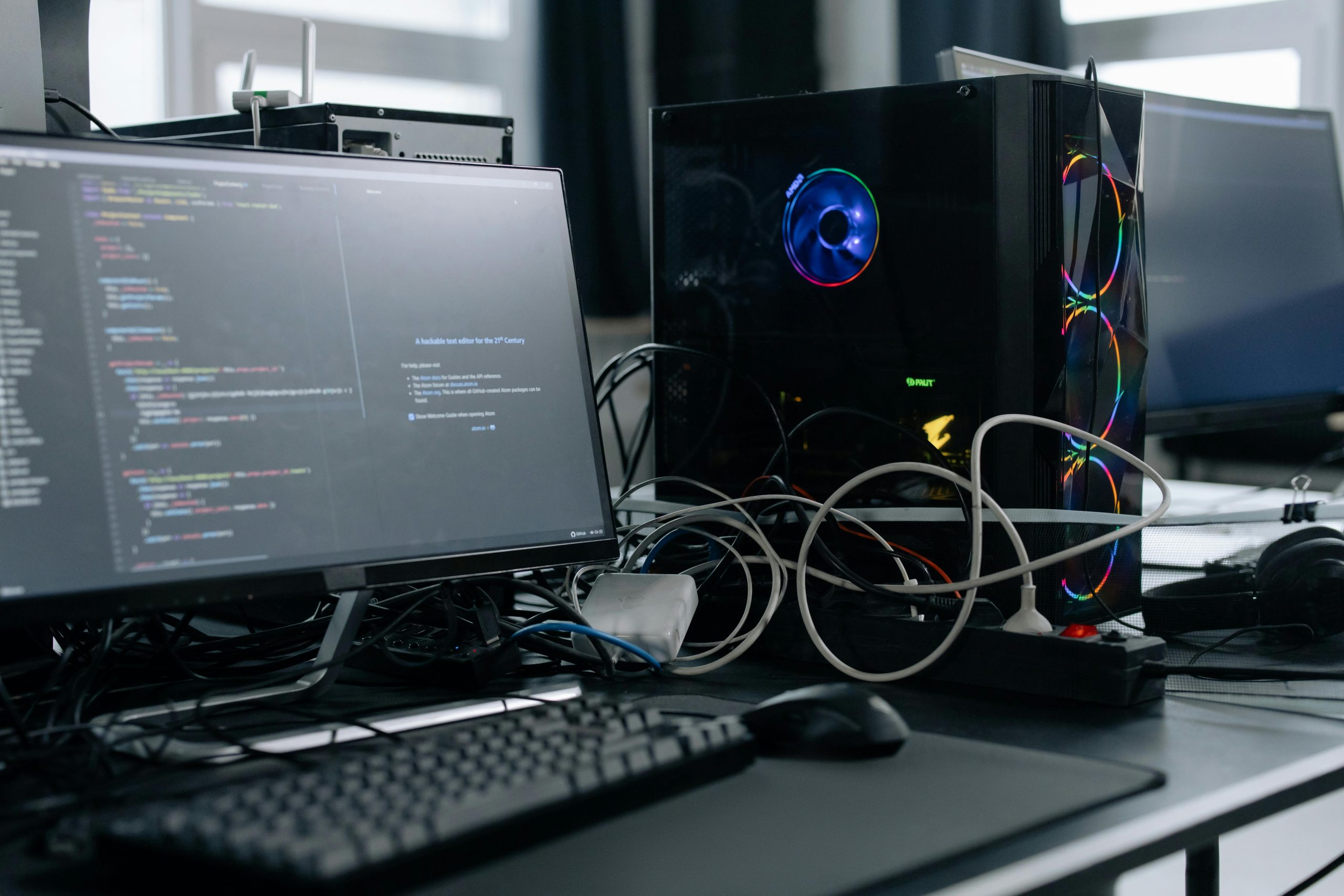
Welcome to the fascinating world of embedded systems development! This rapidly growing field of technology has revolutionized the way we interact with electronic devices and has become an integral part of our daily lives. From smartphones and tablets to smart home appliances and cars, almost every electronic device we use today relies on embedded systems to function efficiently and seamlessly.
What are Embedded Systems?
Embedded systems are a combination of hardware and software components that operate within a larger electronic system to perform a specific function. These systems are designed to be embedded into a device or machine, hence the name “embedded systems”. They are usually small in size, have limited processing power, and are optimized for efficient performance with minimal power consumption.
The Importance of Embedded Systems Development
In today’s fast-paced digital world, embedded systems development has become crucial for creating innovative and cutting-edge electronic devices. They are the backbone of modern technology, enabling devices to perform complex tasks with speed, precision, and reliability. Without embedded systems, it would be impossible to have smart homes, self-driving cars, or advanced medical equipment.
Exploring the Fascinating World of Embedded Systems Development
1. The Evolving Landscape of Embedded Systems Development
The field of embedded systems development has been evolving at a rapid pace, driven by advancements in hardware and software technologies. With the emergence of Internet of Things (IoT) and Artificial Intelligence (AI), embedded systems have become more sophisticated, capable, and interconnected. This has opened up new possibilities and use cases for embedded systems in various industries, such as healthcare, automotive, and manufacturing.
2. The Role of Programming Languages
Embedded systems development requires a deep understanding of programming languages and their applications. While C and C++ have been the traditional choices for embedded systems programming, modern languages like Python and Java are gaining popularity due to their versatility and ease of use. With the rise of IoT, languages like JavaScript and Node.js are also being used to develop embedded systems that can communicate with cloud services.
3. Hardware Design and Integration
The physical hardware components of an embedded system play a crucial role in its performance and functionality. Designing an embedded system involves selecting the right combination of sensors, microcontrollers, and other electronic components to meet the requirements of the device. This is followed by the integration of such components into a compact and efficient system, taking into account factors like power consumption, heat dissipation, and signal integrity.
4. Real-Time Operating Systems (RTOS)
Most embedded systems require real-time responses to external stimuli and critical tasks. This is where Real-Time Operating Systems (RTOS) come into play. An RTOS is a specialized operating system designed to handle time-sensitive operations and provide efficient task management. They are commonly used in industries like automotive and aerospace, where failure to meet deadlines can have severe consequences.
5. Challenges in Embedded Systems Development
Despite its many advantages and applications, embedded systems development comes with its own set of challenges. One of the biggest challenges is managing the trade-off between performance and power consumption. As devices become more complex and power-hungry, finding the right balance becomes increasingly difficult. Moreover, ensuring the security and reliability of embedded systems is a significant challenge, especially in critical applications.
In Conclusion
Embedded systems development is a fascinating and constantly evolving field that is shaping the future of technology. With its endless possibilities and unique challenges, it presents an exciting and rewarding career path for aspiring engineers and developers. As technology continues to advance, we can only expect embedded systems to become more integral to our daily lives, making the world a smarter and more connected place.