Preserving the Harvest: Canning, Pickling, and Freezing Methods

The summer months are a time for bountiful harvests, with gardens bursting with ripe fruits and vegetables. However, with the changing seasons, comes the looming threat of the abundance of produce going to waste. Preserving the harvest is not only a way to avoid food waste, but it also allows us to enjoy the flavors of summer all year round. One of the most popular methods of preserving the harvest is through canning, pickling, and freezing. In this article, we will explore the different methods of preserving the harvest and provide tips for successfully preserving your summer bounty.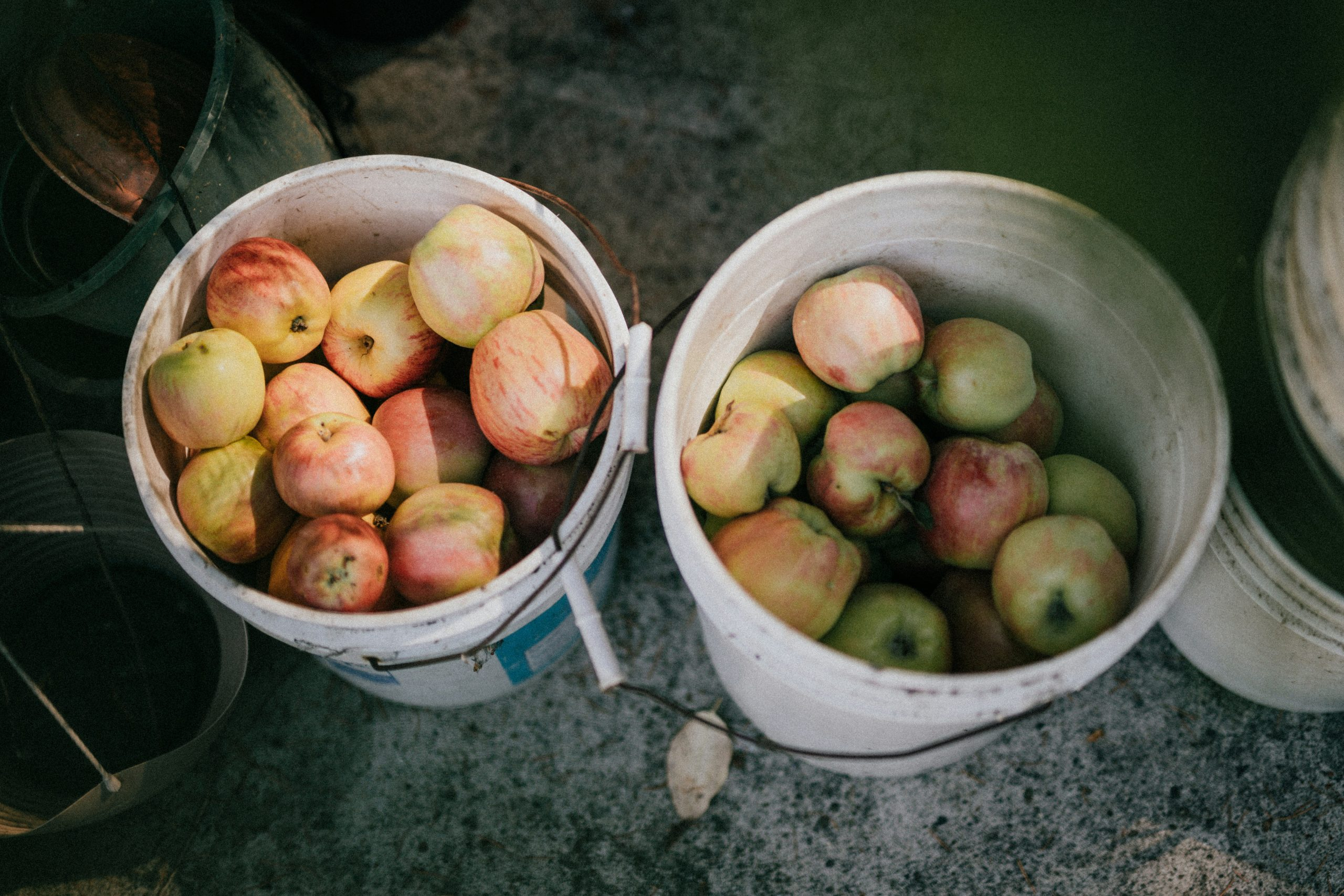
Canning
Canning is a preservation method that has been used for centuries. It involves sealing food in cans or jars and heating them to eliminate any microorganisms that could spoil the food. The most commonly used method of canning is the boiling water bath canning, which is suitable for acidic foods such as fruits, pickles, and most tomatoes.
How to Can Your Harvest
To can your harvest, you will need a large pot, a canning rack, glass jars with lids, and a canning funnel. Begin by preparing your produce by washing and peeling them if necessary. Chop the produce into small pieces and add them to the glass jars, leaving a space of about ½ inch from the top. Next, add the canning liquid, whether it’s a sugar syrup or vinegar brine. Use the canning funnel to avoid making a mess and wipe the rims of the jars to ensure a proper seal. Then, screw on the lids tightly and place the jars in the canning rack. Submerge the jars in boiling water and allow them to boil for the recommended time, depending on the type of produce you are canning.
Tips for Successful Canning
For successful canning, it’s essential to use proper canning jars and lids, as they are specifically designed for canning and have a higher chance of creating an airtight seal. It’s also crucial to follow the recommended processing time for each type of produce and ensure that the jars are fully submerged in the water during boiling. Lastly, allow the jars to cool for 24 hours before checking the seal and storing them in a cool, dark place.
Pickling
Pickling is another popular preservation method that involves soaking produce in a vinegar brine or saltwater solution. This method not only extends the shelf life of the produce but also adds a delicious tangy flavor to them. Pickling is suitable for both fruits and vegetables but is particularly popular for preserving cucumbers, beets, and radishes.
How to Pickle Your Harvest
To pickle your produce, you will need a large pot, pickling jars with lids, and the pickling liquid, which consists of vinegar, water, salt, sugar, and spices. Begin by sterilizing the jars by boiling them in hot water for about 10 minutes. Meanwhile, prepare the produce by washing and slicing them to your desired size. In a pot, heat the pickling liquid and bring it to a boil. Once the jars are sterilized, add the produce and pour the hot pickling liquid over it, leaving about ½ inch of headspace. Wipe the rims of the jars, seal them tightly, and let them cool before storing in the refrigerator.
Tips for Successful Pickling
For successful pickling, it’s essential to follow the recipe and measurements of the pickling liquid, as too much or too little vinegar can affect the safety of the pickles. It’s also important to use fresh produce to avoid spoilage. Store the pickles in the refrigerator and consume them within a few weeks for the best taste.
Freezing
Freezing is a quick and easy method of preserving the harvest, and it’s suitable for most fruits and vegetables. It involves blanching produce to stop enzyme activity and then freezing them to maintain their flavor and texture.
How to Freeze Your Harvest
To freeze your produce, start by preparing them, as with the other methods. Blanching is recommended for most produce, where you quickly dip them in boiling water for a few seconds and then shock them in ice water to stop the cooking process. Next, prepare the produce for freezing by chopping, slicing, or dicing them. Place them in freezer-safe bags or containers and label them with the contents and date. Place the produce in the freezer and enjoy them whenever you desire.
Tips for Successful Freezing
To ensure your produce maintains its flavor and texture, it’s essential to blanch them before freezing. It’s also crucial to use proper freezer containers and label them, as this will help you keep track of what produce you have in the freezer and when it was frozen. For optimal flavor, consume frozen produce within six to eight months.
Preserving the harvest is a gratifying and sustainable way of enjoying the flavors of summer all year long. Whether you choose to can, pickle, or freeze your produce, with the right equipment and techniques, you can successfully preserve your summer bounty. So, grab your jars, pots, and produce, and get ready to stock your pantry with delicious, home-preserved goodies.