The Impact of Digital Price Tags on In-Store Shopping Dynamics

The rise of digital technology has had a significant impact on the retail industry, with online shopping becoming more and more prevalent in recent years. However, brick-and-mortar stores still remain a popular destination for shoppers, and retailers are constantly looking for ways to improve the in-store shopping experience. One such innovation that has caught the attention of both retailers and consumers is the use of digital price tags. In this article, we will explore the impact of digital price tags on in-store shopping dynamics and how they are changing the way we shop in physical stores.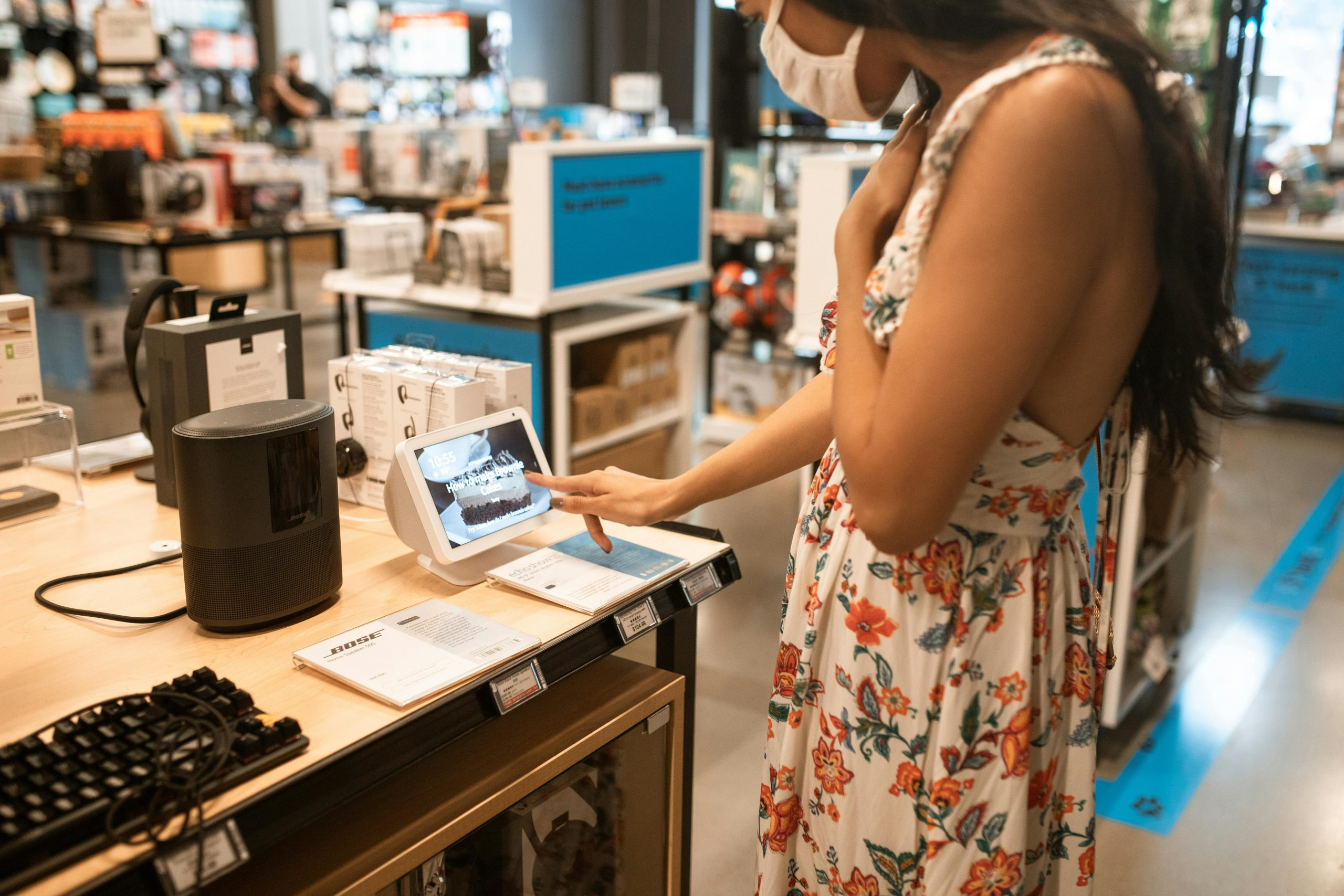
Efficiency and Accuracy
Eliminating manual price changes
One of the most significant benefits of digital price tags is the elimination of manual price changes. In traditional retail stores, pricing is often done manually, requiring employees to physically change the price tags on each item. This process is not only time-consuming but also prone to human error, leading to discrepancies between the advertised price and the actual price at the checkout counter. With digital price tags, retailers can update prices in real-time, ensuring accuracy and consistency across all items.
Streamlining inventory management
Digital price tags also offer a more efficient way of managing inventory. By using digital price tags, retailers can easily track inventory levels and make adjustments accordingly. When an item is sold, the price can automatically adjust to reflect the new inventory level. This eliminates the need for manual stock checks and helps retailers to avoid stockouts or overstocking situations.
Personalization and Flexibility
Dynamic pricing
Another advantage of digital price tags is the ability to implement dynamic pricing. Dynamic pricing is a pricing strategy where retailers can adjust the prices of their products based on different factors such as demand, competition, and inventory levels. With digital price tags, retailers can easily change the prices of individual items or entire categories with just a few clicks, allowing them to stay competitive and adapt to market trends quickly.
Personalized promotions
Digital price tags also enable retailers to personalize promotions for their customers. By integrating the digital price tags with customer data, retailers can offer targeted promotions based on a customer’s past purchases or preferences. This not only helps to enhance the shopping experience for customers but also increases the likelihood of a sale.
Enhancing the Shopping Experience
Real-time product information
Digital price tags provide customers with real-time product information, such as price, reviews, and product specifications. This information can be displayed on the digital price tag or by simply scanning the item with a smartphone. This allows customers to make informed purchase decisions without having to search for a sales associate or rely on the information provided on the physical price tag.
Interactive features
Some digital price tags come equipped with interactive features that allow customers to engage with the product in a new way. For example, customers can use the digital price tag to view different colors or sizes of a product, see similar items, or even check product availability at other store locations. These interactive features not only enhance the shopping experience but also help to bridge the gap between online and offline shopping.
The Future of In-Store Shopping
The use of digital price tags is still in its infancy, but it is already making a significant impact on in-store shopping dynamics. As technology continues to advance, we can expect to see more retailers adopting digital price tags and implementing new features to further improve the shopping experience. Some experts even predict that physical price tags will eventually become obsolete as digital signage takes over. One thing is for sure; digital price tags are here to stay, and they are shaping the future of in-store shopping.
Conclusion
The adoption of digital price tags by retailers is a game-changer for the brick-and-mortar shopping experience. These innovative devices not only improve operational efficiency and accuracy but also enhance the shopping experience for customers. Although it may take some time for digital price tags to become commonplace in all stores, their impact on in-store shopping dynamics is undeniable. As technology continues to advance, retailers must adapt and embrace these innovations to stay competitive in an increasingly digital world.