A look at the history of learning and its future
Education is the foundation of human progress and development. From the earliest forms of learning carved on cave walls to the modern classrooms equipped with cutting-edge technology, the methods and purposes of education have evolved drastically. In today’s digital age, where information is readily available at our fingertips, the concept of learning is constantly being redefined. In this article, we will take a look at the history of learning and how it has shaped the present education system. We will also explore the potential future of learning and its impact on the way we acquire knowledge and skills.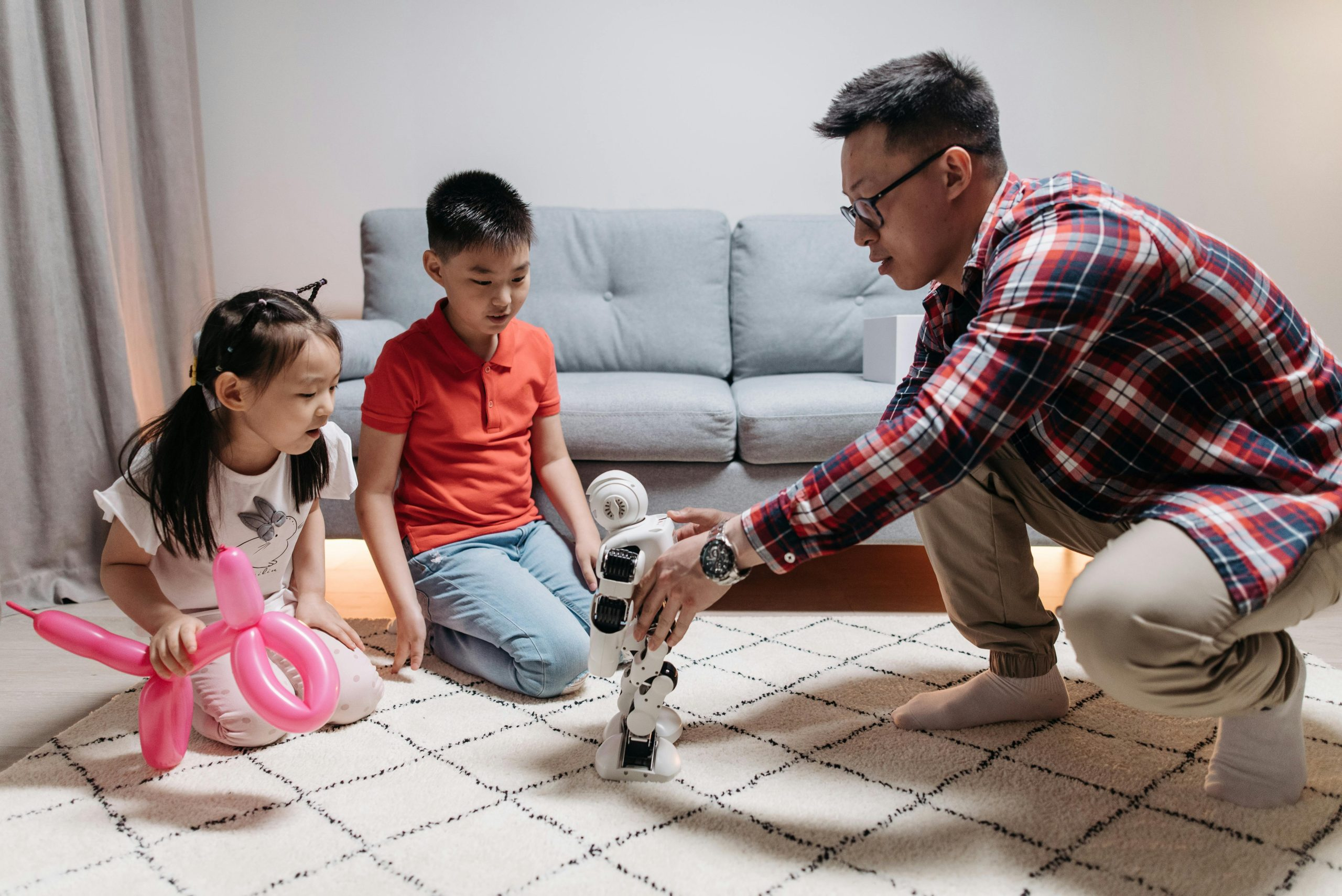
The Roots of Learning: From Oral Traditions to Formal Education
The history of learning can be traced back to the earliest human civilizations. In ancient times, oral traditions and storytelling were the primary methods of passing on knowledge from one generation to the next. With the emergence of written languages, humans started to record their ideas and thoughts on papyrus, clay tablets, and eventually paper. This paved the way for the development of formal education systems.
In ancient civilizations such as Greece, Rome, and China, education was reserved for the elite, particularly the ruling class. The curriculum focused on subjects like philosophy, literature, and mathematics, with an emphasis on classical texts. This traditional form of education continued for centuries until the rise of the Industrial Revolution in the 18th century.
The Industrial Revolution and Modern Education
The Industrial Revolution brought about significant changes in society, including the growth of cities, the expansion of industries, and the rise of a middle class. These changes led to the need for a better-educated workforce. As a result, educational institutions were established to meet the demands of the industrialized world.
Over time, the education system became more structured and standardized, with a focus on preparing students for the workforce. The curriculum was designed to equip students with the necessary skills for employment, such as reading, writing, and arithmetic. The 20th century saw further reforms in education, with the introduction of compulsory education and advancements in teaching methods.
The Present State of Learning: Technology and Personalization
The digital age has revolutionized the way we access and consume information. With the internet and technology at our fingertips, learning has become more flexible and personalized. Online courses, educational apps, and virtual classrooms have made it possible for people to learn anytime, anywhere.
The use of technology in education has also transformed the traditional classroom setting. Students now have access to a vast array of digital resources, making learning more interactive and engaging. The integration of technology in education has also paved the way for personalized learning, where students can choose their own pace, style, and content of learning.
The Future of Learning: The Rise of Artificial Intelligence and Lifelong Learning
As we move towards a more technologically advanced world, the future of learning holds vast opportunities and challenges. Artificial intelligence is becoming increasingly integrated into the education system, with the potential to personalize learning further. AI-powered systems can analyze vast amounts of data to create personalized learning plans for students based on their strengths and weaknesses.
Another significant trend in the future of learning is the concept of lifelong learning. In a rapidly changing world, continuous learning is essential to keep up with new developments and technologies. With the rise of online courses and flexible learning options, people of all ages can continue to acquire new skills and knowledge throughout their lives.
In Conclusion
The history of learning has seen significant developments over the years, from oral traditions to formal education to technology-driven personalization. As we explore the potential future of learning, it is clear that education will continue to evolve and adapt to meet the changing needs of society. However, one thing remains constant – the fundamental role of education in shaping individuals and society as a whole.
As we move towards a more digital and connected world, it is crucial to embrace new methods and technologies while keeping in mind the true purpose of education – to foster critical thinking, creativity, and lifelong learning.