The power of positive reinforcement in the classroom
The atmosphere in a classroom plays a crucial role in a child’s academic and personal growth. It can greatly impact their motivation, behavior, and overall attitude towards learning. As educators, it is our responsibility to create a positive and nurturing environment that encourages students to reach their full potential. One effective method that has stood the test of time is the use of positive reinforcement. In this article, we will explore the power of positive reinforcement in the classroom and how it can benefit both the students and teachers.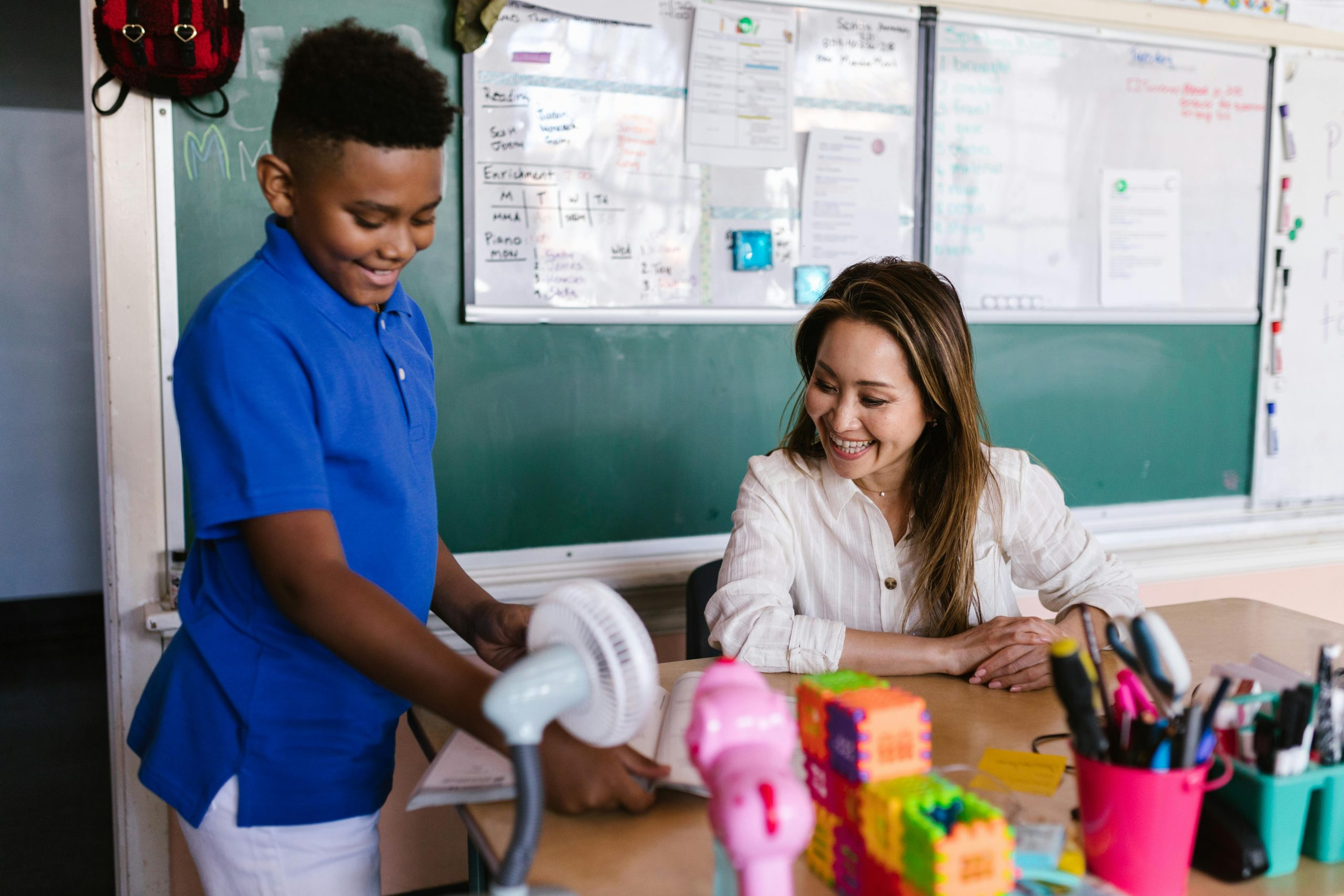
What is Positive Reinforcement?
Positive reinforcement is a systematic approach that involves rewarding desirable behavior to encourage its repetition. It is based on the principles of behaviorism, where it is believed that behavior is shaped by its consequences. In simpler terms, when a behavior is followed by a pleasant consequence, it is more likely to be repeated in the future. Positive reinforcement is a powerful tool that can be used to foster a positive and productive learning environment in the classroom.
Benefits for Students
The use of positive reinforcement has numerous benefits for students. Firstly, it helps to boost self-esteem and confidence. When students are praised for their efforts and achievements, they feel valued and motivated to continue putting in their best. This, in turn, leads to increased self-confidence and a positive self-image. Positive reinforcement also encourages students to take risks and try new things without fear of failure. It teaches them that mistakes are a part of the learning process, and they should be embraced, not feared.
Moreover, positive reinforcement also improves students’ behavior. By acknowledging and rewarding desirable behavior, teachers can effectively reinforce it and encourage it to continue. This can lead to a decrease in undesirable behaviors, making the classroom a more peaceful and conducive learning environment. It also helps to improve relationships between teachers and students. When students feel recognized and appreciated, they are more likely to have a positive attitude towards their teachers and peers.
Benefits for Teachers
Positive reinforcement not only benefits students but also teachers. It helps to create a positive and respectful classroom culture where teachers and students work together towards a common goal. This can lead to a more harmonious and enjoyable teaching experience for teachers. By focusing on positive behaviors, teachers can also avoid constantly reprimanding students for negative behaviors, which can be emotionally and mentally draining. Moreover, positive reinforcement can also improve teachers’ relationships with their students as it promotes open communication and mutual respect.
Implementing Positive Reinforcement in the Classroom
To effectively incorporate positive reinforcement into the classroom, it is essential to have a plan in place. Firstly, teachers must identify the specific behaviors that they want to encourage and develop a system for recognizing and rewarding them. This can be in the form of verbal praise, stickers, or class rewards. It is crucial to make sure that the rewards are meaningful and age-appropriate to maintain the effectiveness of the reinforcement. Teachers should also make sure to provide positive reinforcement consistently to create a lasting impact on students’ behavior.
Common Mistakes to Avoid
While positive reinforcement can be a highly effective strategy, there are some common mistakes that teachers should avoid. One mistake is using extrinsic rewards, such as candy or toys, as they can lead to students only focusing on the reward rather than the desired behavior. It is also essential to be mindful of the language used when providing positive reinforcement. Instead of saying “good job,” teachers can be more specific and say “I like the effort you put into this assignment.”
Conclusion
In conclusion, positive reinforcement is a powerful tool that can transform the classroom environment. It has numerous benefits for both students and teachers and can lead to improved behavior, self-esteem, and relationships. By implementing positive reinforcement strategies, teachers can create a positive and nurturing learning environment where students can thrive and reach their full potential.
The power of positive reinforcement is undeniable, and as educators, it is our responsibility to harness its potential to create a better learning experience for our students. Let us strive to use this tool in our classrooms and see the positive impact it can have on our students’ lives.