The Historical Journey of Fermented Foods Across Cultures

The art of fermentation has been around for thousands of years, with evidence of its practice found in cultures all across the world. It has played a crucial role in the preservation of food, the development of unique flavors, and even in the production of alcoholic beverages. The historical journey of fermented foods is a rich and fascinating one, showcasing the ingenuity and adaptability of humanity as we have used fermentation to make the most of the resources available to us. Join us as we explore the diverse origins, practices, and cultural significance of fermented foods across different societies.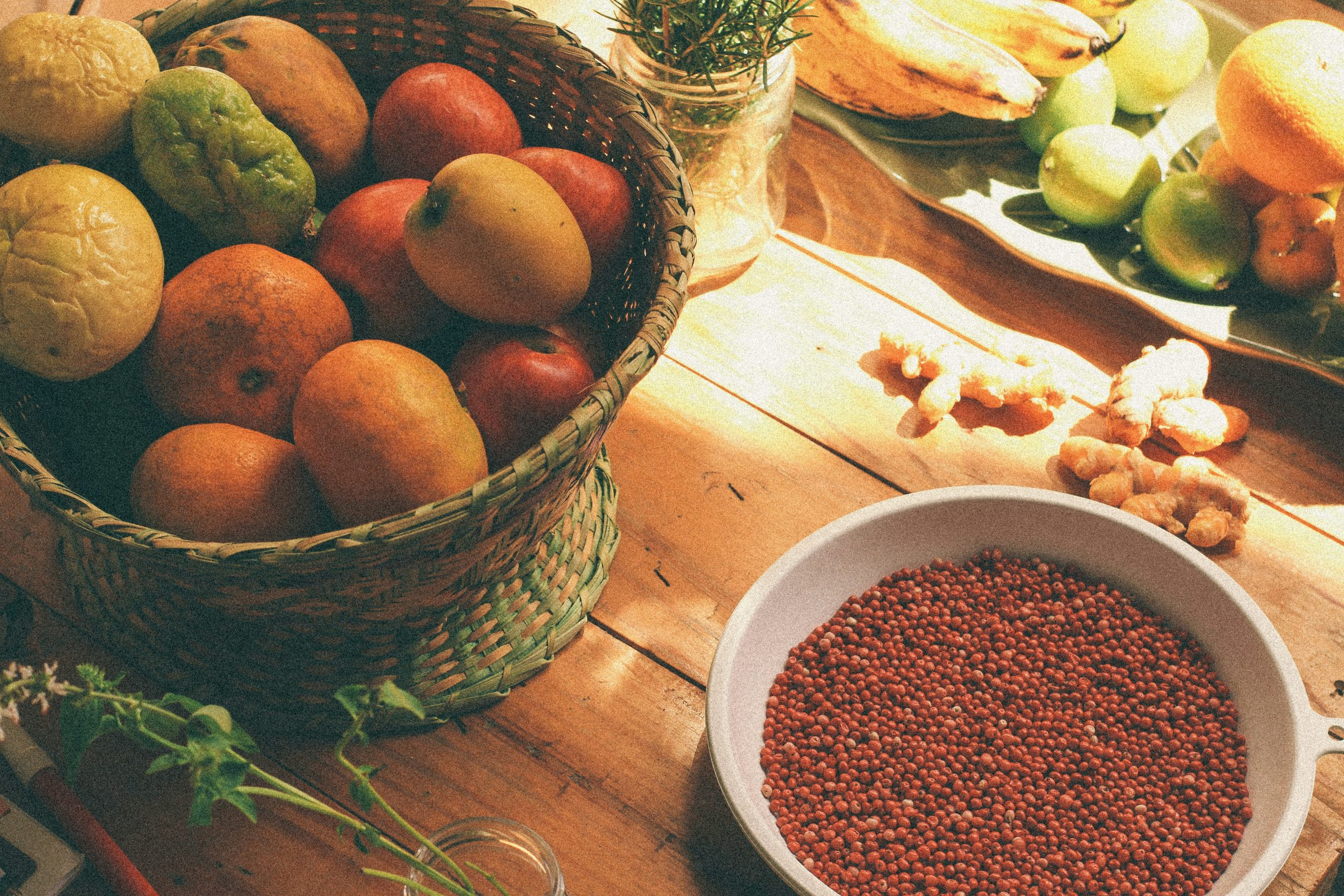
The Origins of Fermentation
The exact origins of fermentation are unknown, but it is believed to have occurred accidentally when early humans stored food in containers made of natural materials. These containers would have been made of materials such as bark, leaves, or animal hides, which were porous and allowed for natural airborne bacteria to enter and begin the fermentation process.
Some of the earliest recorded evidence of fermentation can be found in ancient Egypt, where fermented foods such as bread and beer were a staple part of the diet. The process of sourdough fermentation, in which wild yeast is used to leaven bread, is thought to have originated in ancient Egypt around 3,000 BC. Beer, on the other hand, was first brewed by the Sumerians in Mesopotamia around 6,000 BC and was often used as a form of currency.
Fermented Foods in Asian Cultures
Fermentation has been a fundamental part of Asian cultures for centuries, with many unique and traditional food and beverage items being the result of fermentation. In China, fermented soy products such as soy sauce, miso, and tofu have been consumed for thousands of years. These products are made through the fermentation of soybeans with special molds and are prized for their flavor and health benefits.
In Japan, sake, a fermented rice wine, has been a popular beverage since the 3rd century. Traditional sake-making involves using a special type of fungus, known as koji, to convert starches in the rice into sugar, which is then fermented by yeast. The fermentation process produces a unique flavor and aroma in the sake, making it a cultural icon in Japan.
Europe and the Art of Fermentation
Fermentation has also played a significant role in European cuisine, with many iconic foods and drinks being the result of this ancient practice. Cheese, for example, is made by fermenting milk with bacteria, fungi, and other microorganisms, resulting in a wide variety of flavors and textures.
In Eastern Europe, fermented foods such as sauerkraut and pickles have been a part of traditional diets for centuries. These foods are made by pickling vegetables in brine, a process which not only preserves them but also creates a tangy and slightly sour flavor.
Fermented Foods in Modern Times
As our understanding of fermentation has grown, so has its use in modern food production. Many popular foods and drinks today are the result of fermentation, such as wine, cheese, yogurt, and bread. Scientific advancements have allowed for more consistency and control in the fermentation process, making it easier to produce these foods on a larger scale.
There has also been a recent resurgence of interest in fermented foods due to their potential health benefits. Fermented foods are rich in probiotics, beneficial bacteria that promote gut health and aid in digestion. They have also been linked to boosting the immune system and improving overall well-being.
A Cultural Legacy
From the traditional kimchi of Korea to the tangy yogurt of Greece, fermented foods have left a lasting mark on the cultures and cuisines of societies across the globe. Not only have they been a source of sustenance, but they have also been used in cultural and religious ceremonies and have even been associated with different social classes.
The historical journey of fermented foods shows the ingenuity and resourcefulness of humankind as we have utilized this ancient practice to create unique and flavorful foods. So the next time you enjoy a slice of cheese or a sip of wine, remember the rich and diverse history behind these fermented foods.